What is an MMORPG?
The full meaning, how these worlds actually work, the jargon decoded, and the best free ones to jump into — everything in one place, in plain English.
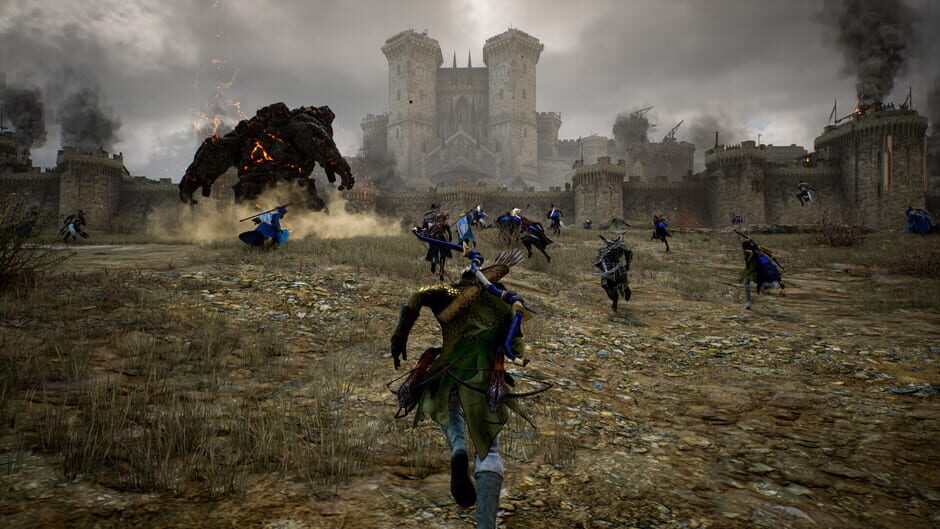
MMORPG stands for Massively Multiplayer Online Role-Playing Game. It's a game where a very large number of players share one persistent online world, and each person controls a character they level up, equip and shape over time. The world keeps running whether you're logged in or not.
That's the short version. There's a lot packed into those six letters, though, and the jargon can be a wall when you're new. This guide takes it from the top: what the term means, how these worlds are built, what you actually do in one, the different flavours and business models, a plain-English glossary, and where to start for free.
MMORPG meaning: what the letters stand for
Pull the acronym apart and it explains itself:
- MMMassively Multiplayer — thousands of real players share the same world at once, not a handful in a private lobby.
- OOnline — the world lives on the developer's servers and is always on; your progress is saved there, not on your device.
- RPGRole-Playing Game — you create and grow a character, gaining levels, skills and gear, and choose how they develop.
MMO vs MMORPG: what's the difference?
People use the two words interchangeably, but they aren't identical:
MMO
- Any large-scale online game
- Includes shooters, strategy, racing
- Not necessarily character-driven
- e.g. Destiny 2, battle-royale games
MMORPG
- Built around a character you develop
- Levels, skills, gear, quests
- Persistent world & endgame
- e.g. WoW, Final Fantasy XIV
Put simply: every MMORPG is an MMO, but a battle-royale shooter is an MMO without being an MMORPG.
How an MMORPG actually works
Under the hood it's a huge world on the developer's servers that your game connects to. A few concepts explain most of the structure:
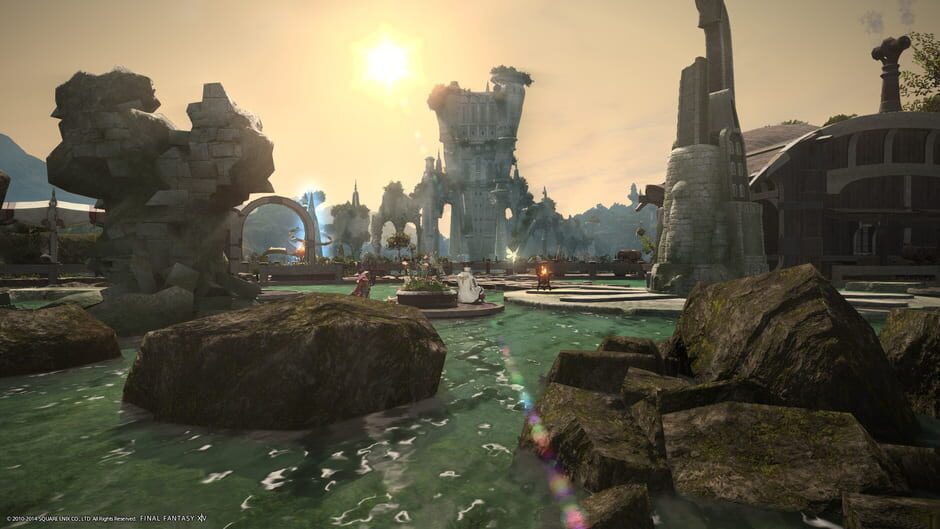
- Persistent world. The world runs continuously and remembers what happens; log in next month and your progress is exactly where you left it.
- Servers, realms and shards. The world is copied across multiple servers so millions of players fit. You pick one, and that's where your character lives.
- Instancing. Story chapters, dungeons and raids happen in a private copy made for your group, so the open world doesn't overcrowd.
- Always-online. You need a connection, and the developer keeps patching and expanding the world for years.
The core features of an MMORPG
Character progression
Start weak and grow — levels, skills, better gear. The engine that keeps you logging in.
Persistent world
An always-on world that carries on without you and remembers your place in it.
Other players
Group for dungeons, join a guild, trade, or fight in PvP. The social layer is the point.
An endgame
Hitting the level cap is the start: raids, top gear, ranked PvP and long-term goals.
Player economy
Crafting and trading create a real supply-and-demand market run by players.
Regular updates
Expansions, seasons and patches add content for years, so one game can last you ages.
Classes, roles and the “holy trinity”
When you make a character you pick a class — warrior, mage, healer, archer — that decides how you play. In group content those classes fall into three roles, the so-called holy trinity:
Tank
Soaks up the enemy's attacks and holds their attention so the group stays safe.
Healer
Keeps everyone alive and topped up through the fight.
DPS
The damage dealers who actually kill things (damage per second).
A good team balances the three. Some modern MMORPGs loosen the trinity or let one character swap roles, but understanding it is the key to reading how group play works.
Character progression explained
Progression is what makes an MMORPG feel rewarding. It comes in two shapes:
Vertical
- Higher levels, stronger gear, bigger stats
- Always chasing more power
- Can feel like a treadmill
Horizontal
- Outfits, mounts, achievements, builds
- Kinder to part-time and returning players
- More “things to do” than “numbers to beat”
Most games mix both, and which they lean on shapes how the endgame feels.
The endgame
“Endgame” is everything you do at max level, and for many players it's the real game:
- Raids — large, scripted boss fights for organised groups, usually the toughest content.
- Dungeons — smaller instanced challenges, often with harder “mythic” tiers.
- PvP — ranked arenas, battlegrounds or open-world warfare.
- Gearing & crafting — hunting the best equipment and mastering professions.
PvE vs PvP
Two letters decide a lot about how a world feels:
PvE
- You & others vs the game's monsters
- Co-operative dungeons, raids, questing
- Lower stress, story-focused
PvP
- You vs other people
- Duels, battlegrounds, open-world fights
- Higher stakes — sometimes full-loot
Guilds and the social side
What keeps people in an MMORPG for years is rarely the loot — it's the people. Guilds (also called clans or free companies) are player-run groups you join to raid together, chat, trade and belong somewhere. Friendships, rivalries and the occasional drama are part of the experience, and a good guild can turn a decent game into a home.
Types of MMORPG
Themepark
Structured, guided content — quests, dungeons, raids. (FFXIV, WoW)
Sandbox
Open-ended freedom, player economies, often full-loot PvP. (Albion, EVE)
Action vs tab-target
Fast aim-and-dodge combat versus the classic click-a-target style.
Browser vs client
Instant in a tab, or a full download for PC and console.
Which platforms can you play on?
MMORPGs are no longer PC-only. Many are cross-platform: PC, PlayStation and Xbox, mobile (often with cross-save so you continue on your phone), and even entirely in a web browser with nothing to download. Check what a game supports before you commit — a browser MMORPG will run on an old laptop where a big 3D world won't.
MMORPG business models (and pay-to-win)
Subscription
A monthly fee for full access. The classic WoW model.
Buy-to-play
One purchase, then it's yours with no monthly fee. (Guild Wars 2, ESO)
Free-to-play
Free to start, funded by an in-game shop.
A short history of MMORPGs
The roots go back to text-only MUDs (Multi-User Dungeons) in the late 1970s, explored entirely through words. Graphics arrived with Ultima Online in 1997, which proved a persistent 2D world could hold thousands of players. EverQuest brought 3D in 1999, and World of Warcraft in 2004 turned the MMORPG into a mainstream phenomenon with tens of millions of subscribers.
The last decade reshaped the business more than the design: subscriptions gave way to free-to-play and buy-to-play, so today most people's first MMORPG is one they can try for nothing.
Popular MMORPGs to know
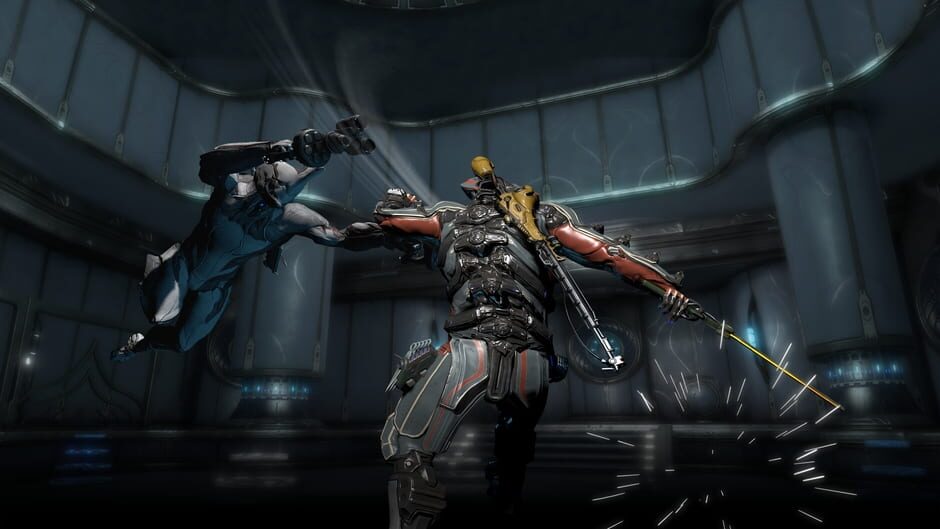
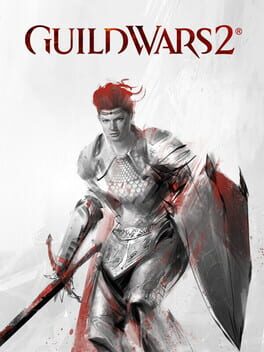
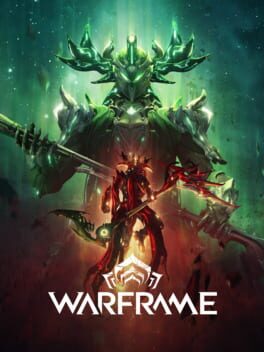
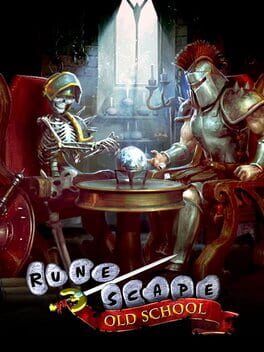
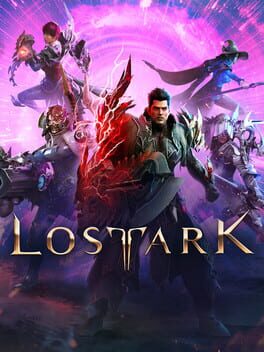
Some of the most influential and widely played MMORPGs today — several free to start. Tap any for our full review.
How to choose your first MMORPG
A few quick questions narrow it down fast:
- Story or sandbox? Want a guided, story-rich ride? Go themepark (FFXIV). Want freedom and a player-run world? Go sandbox (Albion Online).
- How much time do you have? Horizontal games like Guild Wars 2 are kind to part-timers; grind-heavy ones reward daily play.
- Solo or social? Some MMORPGs are very soloable; others really open up in a guild.
- What can you run? Old laptop or Chromebook? A browser MMORPG plays smoothly where a big 3D world won't.
Is an MMORPG right for you?
You'll love it if…
- You enjoy long-term progression & goals
- You like playing with (or against) other people
- You want one game that lasts months or years
- You enjoy tinkering with builds and gear
Maybe not if…
- You want a tight story with a clear ending
- You have very little time and dislike grind
- You prefer purely single-player experiences
- Cash-shop pressure puts you off (pick fair F2P ones)
Common MMORPG terms (glossary)
- Grinding
- Repeating an activity to earn XP, gold or loot.
- Aggro
- An enemy's attention; the tank's job is to hold it.
- Buff / Nerf
- A boost to something / a reduction, usually via a patch.
- NPC
- A non-player character run by the game.
- Instance
- A private copy of an area for you and your group.
- Loot
- Items dropped by enemies or found in the world.
- Meta
- The current strongest builds and strategies (“most effective tactics available”).
- Main / Alt
- Your primary character / a secondary one.
- DPS
- Damage per second — also slang for a damage-dealing role.
- Aggro range
- How close you can get before an enemy attacks.
- F2P / B2P
- Free-to-play / buy-to-play.
- P2W
- Pay-to-win: money buys direct power.
- Endgame
- Content for max-level characters.
- Theorycrafting
- Working out the optimal build with math and testing.
- Raid / Dungeon
- Large / smaller instanced group challenges.
- QoL
- Quality-of-life: small conveniences that make play smoother.
How to start playing an MMORPG for free
You don't need to spend anything to get into the genre. Plenty of excellent MMORPGs are free to play, and a few are among the best full stop.
MMORPG FAQ
What does MMORPG stand for?
MMORPG stands for Massively Multiplayer Online Role-Playing Game — a game where a very large number of players share one persistent online world and each controls a character they develop over time.
Is an MMORPG the same as an MMO?
Not quite. MMO (massively multiplayer online) is the broad category for any large online game, including shooters and strategy games. An MMORPG is specifically the role-playing kind, built around a character, levelling and gear. Every MMORPG is an MMO, but not every MMO is an MMORPG.
Are MMORPGs free to play?
Many of the best ones are. Games like Guild Wars 2, Warframe and Final Fantasy XIV (via its free trial) are free to start, funded by optional cosmetics, expansions or subscriptions rather than an up-front price.
What was the first MMORPG?
Text-based MUDs in the late 1970s and 1980s were the ancestors. Ultima Online (1997) popularised the graphical MMORPG, and EverQuest (1999) and World of Warcraft (2004) turned it into a mainstream genre.
What's the difference between an MMORPG and an RPG?
A regular RPG is usually single-player or small-group and has an ending. An MMORPG puts thousands of players in one shared, persistent world that keeps going whether you're online or not.
Do you have to pay monthly to play an MMORPG?
No. Some MMORPGs use a subscription, but plenty are free-to-play or buy-to-play with no monthly fee. Guild Wars 2, for example, has never required a subscription.
What is the 'holy trinity' in MMORPGs?
It's the classic team structure of tank (soaks damage), healer (keeps the group alive) and DPS (deals damage). Most group content is built around this balance, though some modern MMORPGs loosen it.
What does pay-to-win mean?
Pay-to-win (P2W) describes games where spending real money buys direct power advantages over other players. The fairest free MMORPGs avoid this, selling only cosmetics and convenience — something we weigh heavily in our rankings.
What is the best MMORPG for beginners?
Final Fantasy XIV and Guild Wars 2 are the most beginner-friendly, thanks to gentle onboarding, no subscription pressure and welcoming communities. Old School RuneScape is the easiest to try instantly in a browser.